Planning a wedding in the South of France
How to plan a wedding in the South of France from abroad: when to marry, the legal side, choosing a venue, getting guests there and the wedding weekend.
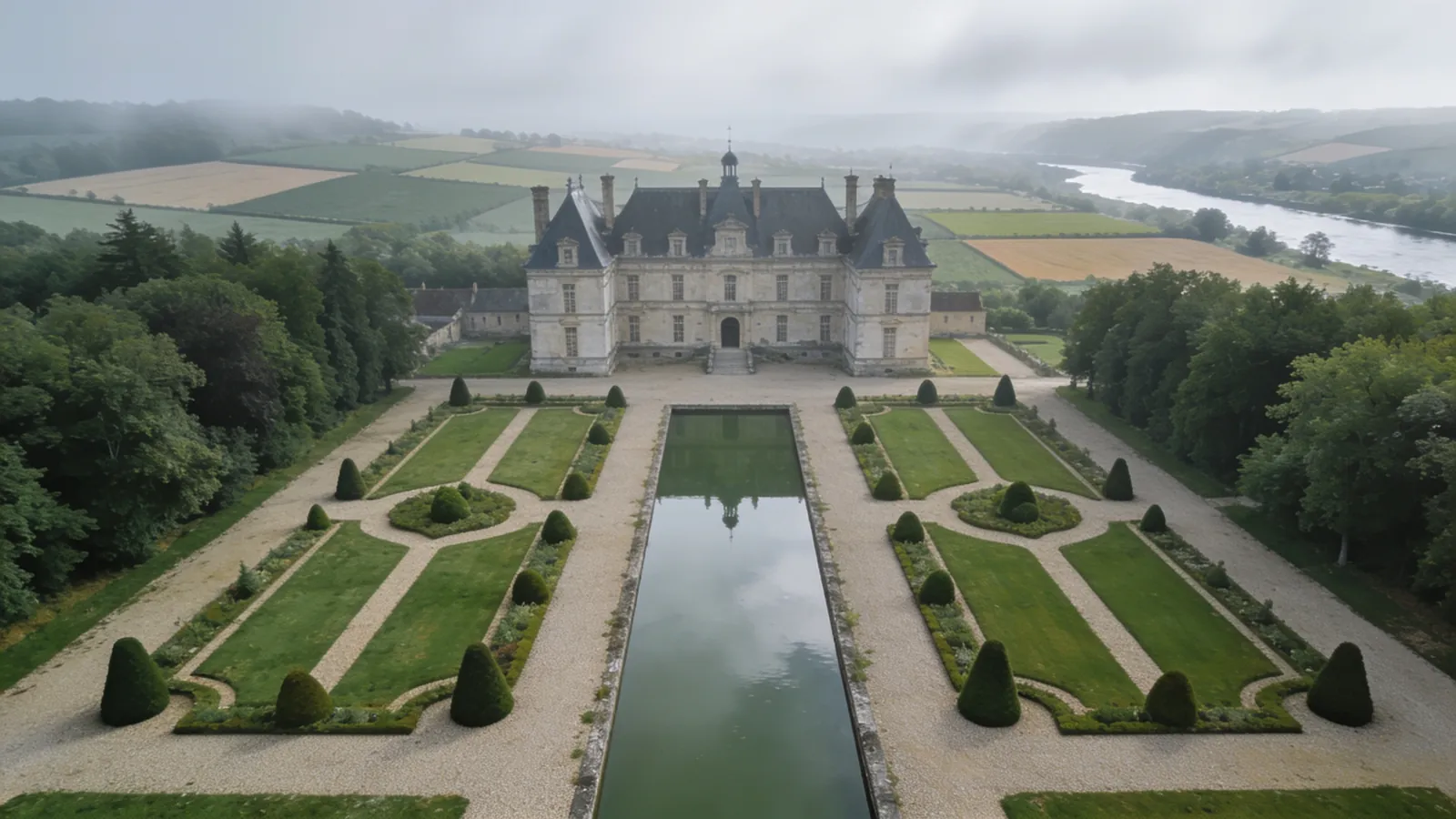
The South of France has a pull that is hard to argue with: lavender, vineyards, old stone and evenings that stay warm long after dinner. For couples planning from the UK, the US or Australia, the question is not whether it will be beautiful. It is how to organise a wedding in a country you don’t live in, in a language you may not speak, for guests who need to travel to get there.
This guide covers the decisions that matter most, in the order most couples make them.
When to get married in the South of France
The season shapes almost everything else: the weather, the light, the price and how easy it is for guests to travel.
- May and June: warm, green and fresh, with long evenings. Very popular, so the best dates go early.
- Late June into July: lavender season in Provence. Beautiful, but hot in the middle of the day, so ceremonies tend to move later.
- July and August: the hottest and busiest months, with holiday traffic and higher travel prices. Plan for shade and an evening ceremony.
- September: warm days, softer light and the grape harvest. Many couples think it is the best month of the year.
- October: quieter and cooler, with more chance of rain. Good value if you are happy to plan a wet-weather option.
Provence also has the mistral, a strong, dry wind that can blow for a few days at a time. It is more common outside summer, but whatever the month, ask your venue where the ceremony moves if it is windy as well as if it rains.
The legal side: a symbolic ceremony in France
In France, a legally binding marriage takes place at the town hall (the mairie), in French, and one partner usually needs to have lived in that town for around 40 days beforehand. There is paperwork, translations and a public notice period.
Because of that, most couples from abroad marry legally at home, often a small registry office ceremony a few days or weeks before, and then hold a symbolic ceremony in France. A symbolic ceremony can take place anywhere at the venue, in any language, led by a celebrant or a friend, and be as personal as you like. Your guests will not know the difference.
Choosing a venue
Start with the venue, because almost every other supplier depends on it. Questions worth asking early:
- Is it exclusive use? Many château venues host one wedding at a time and give you the whole estate for the weekend. Others share spaces or have other guests on site.
- How many guests can it seat, and where? Check capacity for the ceremony, dinner and dancing separately, and where each moves if the weather turns.
- How many guests can stay on site? Rooms on site turn a wedding day into a wedding weekend and make life easier for older guests.
- What is included? Furniture, staff, a coordinator and the finish time vary a lot between venues.
- Which suppliers are required? Many venues work with a list of caterers. Check before you fall in love with a menu elsewhere.
You can see how one château lays this out on its spaces and capacity and weddings pages.
Getting your guests there
The South of France is well connected, which is a large part of its appeal for destination weddings.
- By air: Marseille Provence and Nice Côte d’Azur airports both take direct flights from much of Europe. Nice has more long-haul connections, so guests from further away often fly into Nice or Paris.
- By train: high-speed trains run from Paris to Avignon and Aix-en-Provence in around three hours or less, which suits guests flying into Paris.
- On the ground: most venues are in the countryside, so arrange transfers from the airport and stations, and a shuttle between the venue and nearby guesthouses on the wedding day.
Send guests clear travel notes early, with the nearest airports and stations and how long each transfer takes. Our location page shows the kind of detail that helps.
Planning from abroad
Organising suppliers in another country is where most of the stress comes from. Two things make it easier:
- An English-speaking planner based locally. They know the suppliers, the roads and the timings, and they are there on the day.
- A venue with a trusted supplier list. Caterers, florists and photographers who already know the venue need less explaining. See how a supplier list can work.
Plan at least one visit if you can, ideally a weekend with a tasting and meetings with your key suppliers. If you can’t travel, ask the venue for a video call tour.
The wedding weekend
A wedding in the South of France is rarely a single day. Guests have travelled, so most couples plan a weekend:
- Friday: welcome drinks as guests arrive.
- Saturday: the ceremony, dinner and dancing.
- Sunday: a long brunch by the pool before everyone leaves.
It spreads the time you get with your guests over three days instead of one evening, and it makes the journey feel worth it for everyone who came.
If you are starting to plan, the first step is simple: pick your season, then check which venues still have dates. You can check a date to see how that works.
Common questions
- Can foreigners get legally married in France?
- Yes, but a legal French marriage takes place at the town hall, and one partner usually needs to have lived in that town for around 40 days first. That is why most couples from abroad marry legally at home and hold a symbolic ceremony in France.
- What is the best month for a wedding in the South of France?
- May, June and September are the most popular: warm days, cooler evenings and long light. July and August are hotter and busier, and spring and early autumn dates are often easier to find.
- How far ahead should we book a venue in the South of France?
- Popular venues are often booked a year or more ahead for peak Saturdays. If you have a specific date in mind, check availability early, or stay flexible on the day of the week.